









Brand strategy and brand communication.
A brand with brains.
A strategy answers three questions: who the brand is, who it speaks to and why anyone should choose it. It sounds simple until the answer has to fit in one sentence. We help your team find those answers and turn them into a tone of voice, key messages and rules everyone can use. We start with a brand workshop, and the finished strategy becomes the foundation for the name, the logo and the whole identity.
01Approach
How we prepare a great brand strategy
A strategy says what the brand is, who it talks to and what sets it apart. It then becomes the basis for the logo, the key visual and all communication, and every decision is written down with its reasoning, so the whole team knows where it came from.
-
Research first
We review your materials and the communication of your main competitors, usually five of them. That shows what to keep, what to improve and how to stand apart.
-
A workshop with your team
In a brand workshop, we combine your knowledge of the company, products and market with our experience. Nobody knows your customers better than your team does.
-
Specific audiences
We describe the people the brand talks to, meaning who they are, what convinces them and how they make buying decisions. There are often several groups, and each needs something different.
-
One place in the market
We establish who the brand competes with and the one association it should leave in a customer's mind. Everything that follows is built on that decision.
-
Tone and messages
We write down the brand's tone of voice, key messages and “always and never” rules, so everyone who writes on behalf of the company sounds alike.
-
Within your means
We only propose what your team can actually put into practice, within your budget and with the people you have.
-
For everyday use
We turn the strategy into working tools, such as criteria for choosing a visual direction and a brand language guide. Every new project can be checked against them.
02What we define
What does your brand need?
A strategy is made up of several parts. We usually do them together, but we can prepare each one separately.
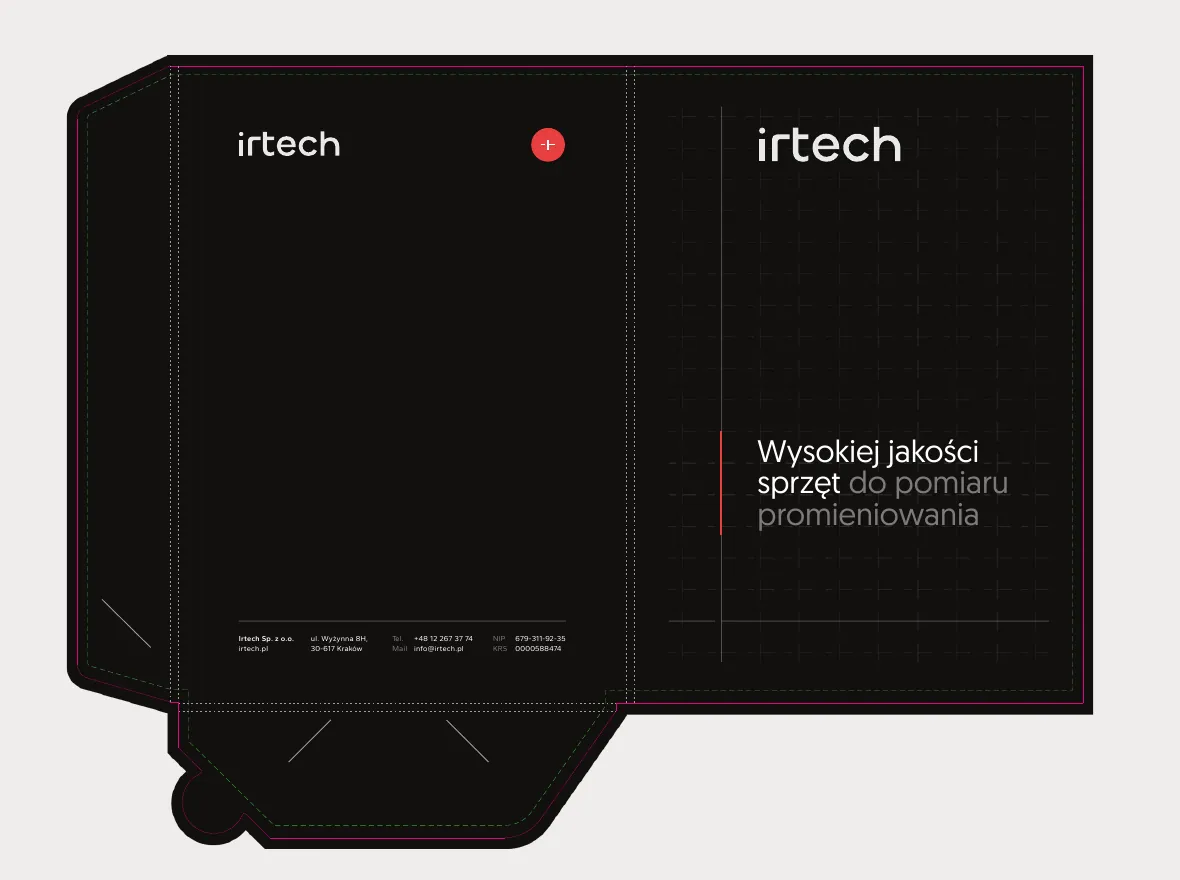
Audit and competitor analysis What works today, what others are doing and where there's room for you
What we do
We review the materials you have and how your competitors communicate. Afterwards your team knows what to keep, what to improve and how to stand apart.
What you get
- Review of current materials
- Analysis of main competitors
- Visual codes of the industry
- Opportunities to stand out
Similar projects
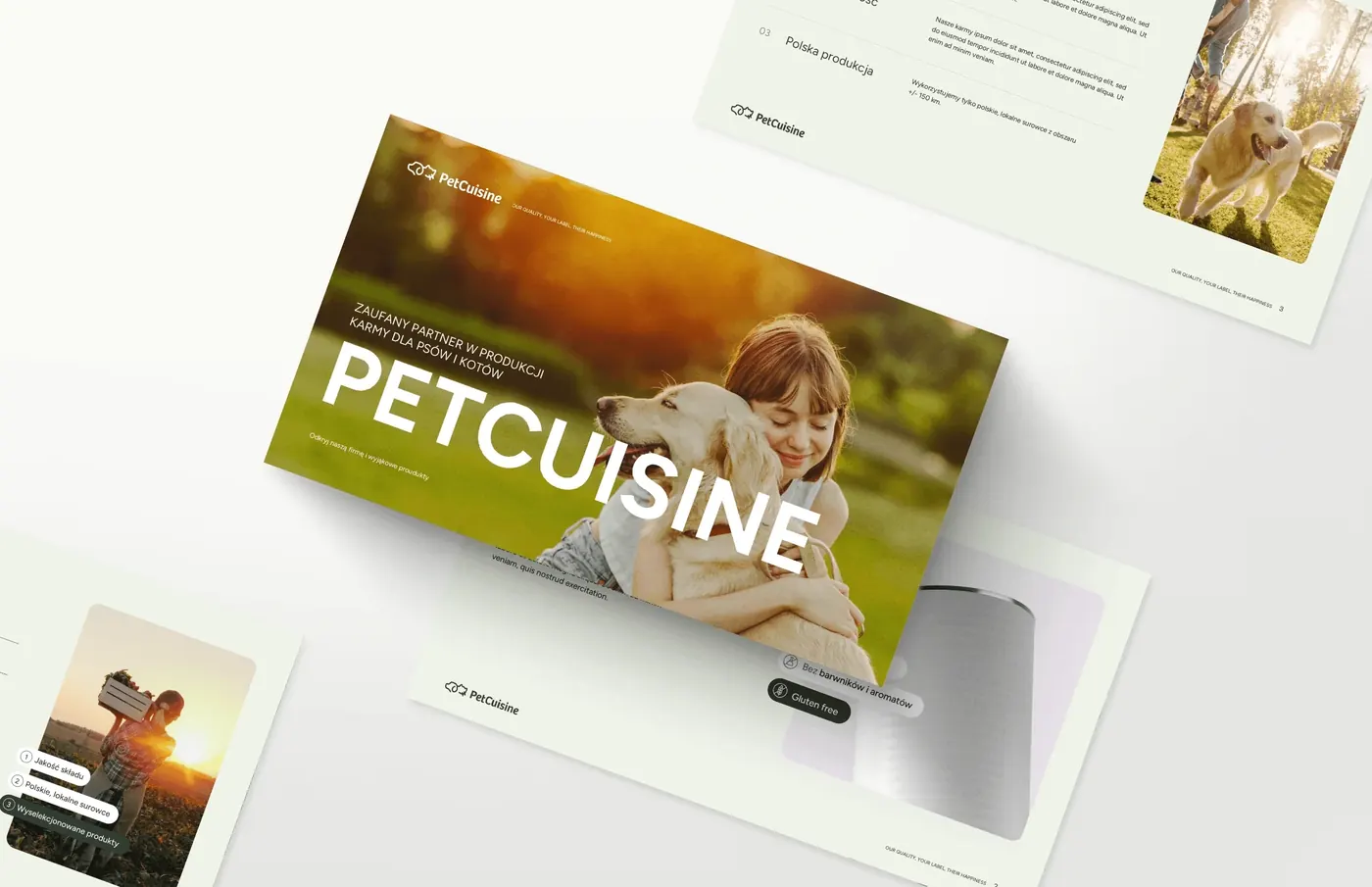
Positioning Who you compete with and what the brand should bring to mind
What we do
We establish who the brand competes with, who it talks to and the one association it should leave in a customer's mind. That decision then guides the choice of name, colours and tone.
What you get
- Positioning map
- Brand differentiators
- Promise to the customer
Similar projects
Audiences and personas The specific people the brand talks to
What we do
We describe the audience groups and personas: who they are, what convinces them and how they make buying decisions. When there are several groups, each gets its own messages and its own path on the website.
What you get
- Description of audience groups
- Personas
- Needs and concerns of each group
- Messages for each group

Similar projects
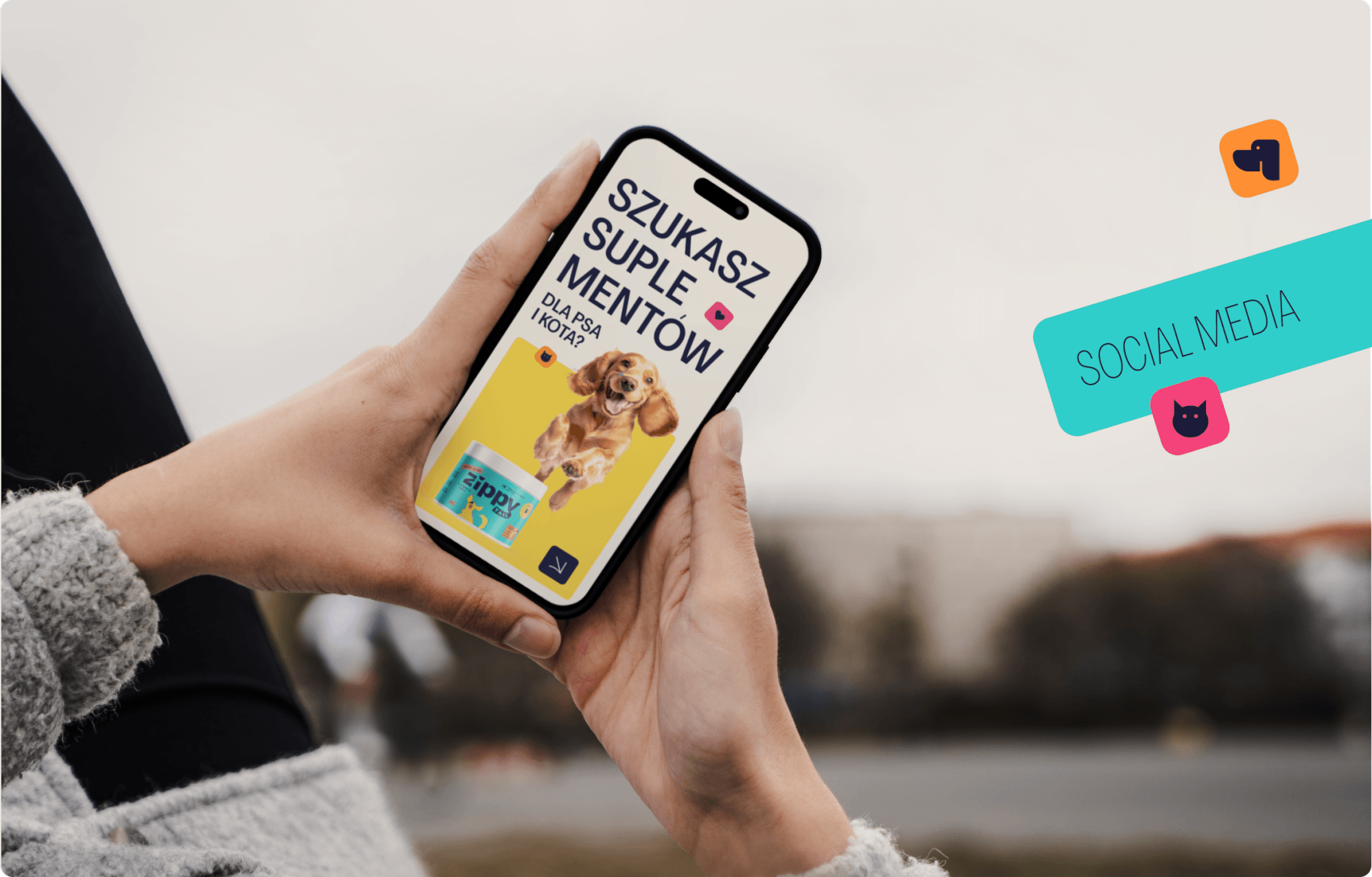
Communication strategy and tone What the brand says, to whom and in what tone
What we do
We write down the key messages, the brand's tone of voice and its “always and never” rules. After that, everyone who writes on behalf of the company sounds alike, from a social post to a sales offer.
What you get
- Key messages
- Brand tone of voice with examples
- “Always and never” rules
- Words the brand uses and avoids
Similar projects
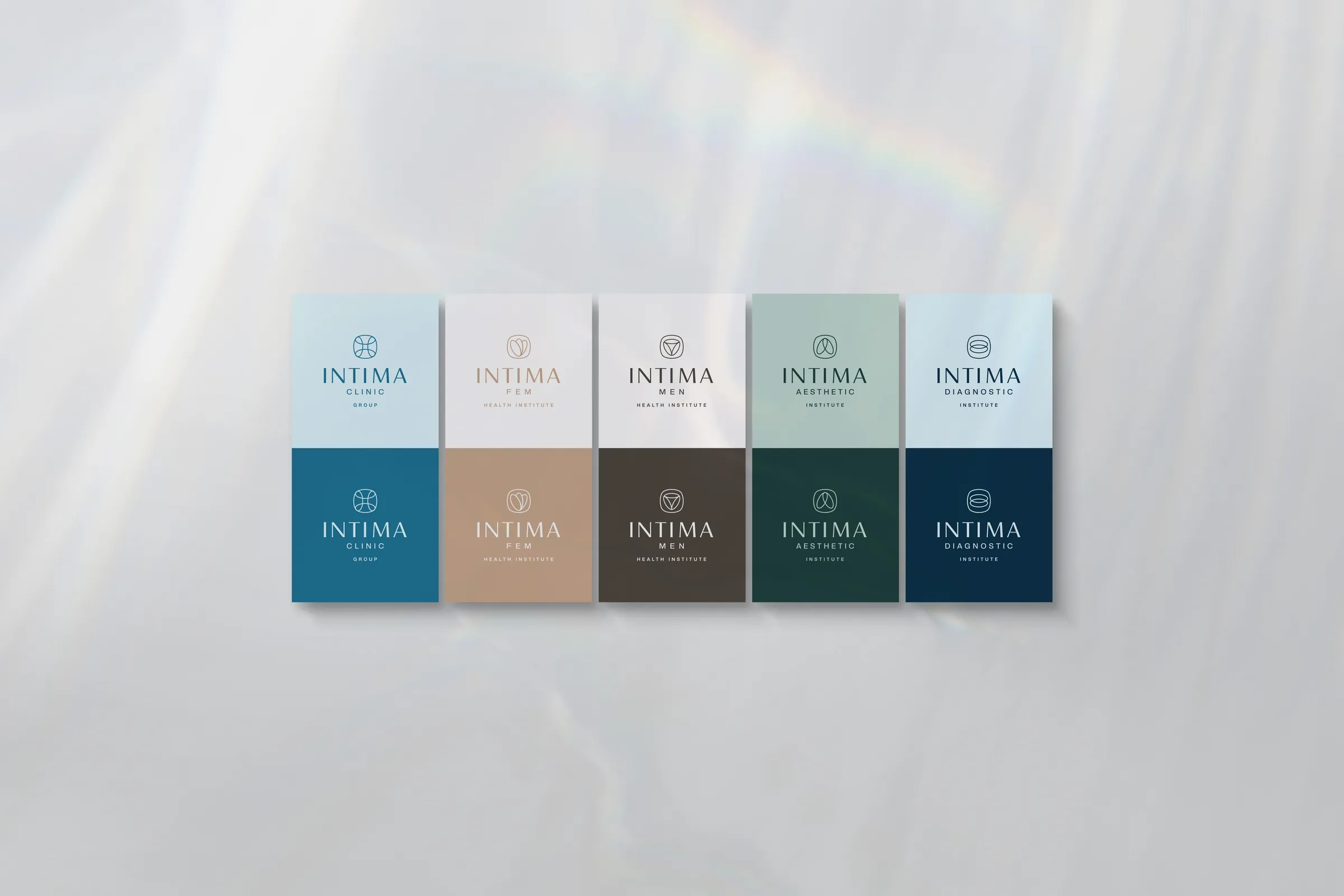
Brand architecture How the main brand connects with companies, sub-brands and services
What we do
We establish how the main brand connects with its companies, sub-brands or services, and what they are called. Each new one fits the family straight away.
What you get
- Map of brands in the group
- Rules for naming sub-brands
- Rule for building new marks
A brand for foreign markets Communication in English and materials for new countries
What we do
We prepare the brand for selling abroad: communication in English, language versions and materials adapted to each new market.
What you get
- Communication in English
- Language versions of materials
- Materials for new markets
Similar projects
03Our strategies
In a nutshell
A good strategy can be summed up in a few words, and every project, from the logo to a post, can then be checked against them. Here's how some of ours read.
-
 Quiet heroes of everyday life
Porta, doors
-
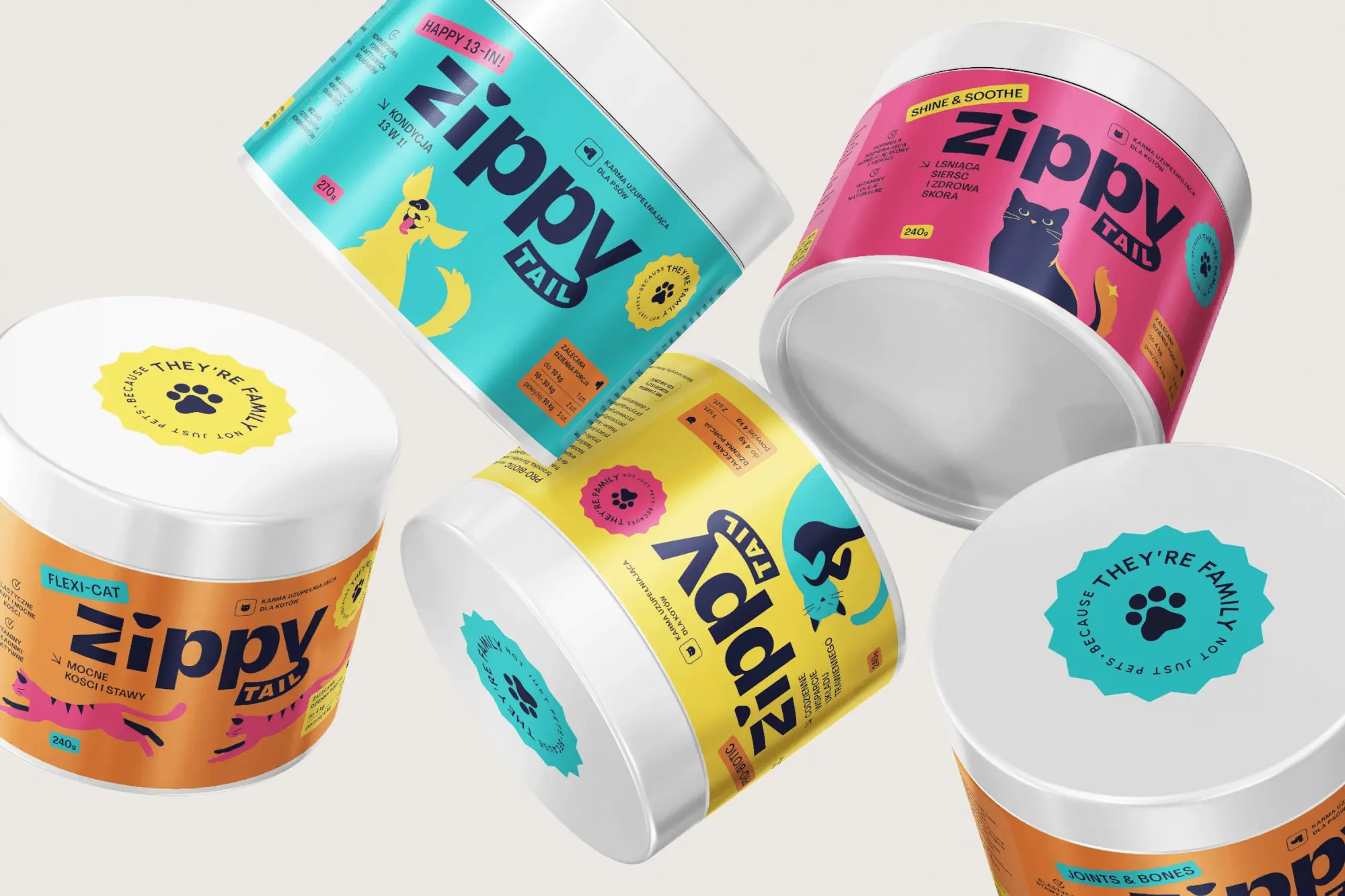
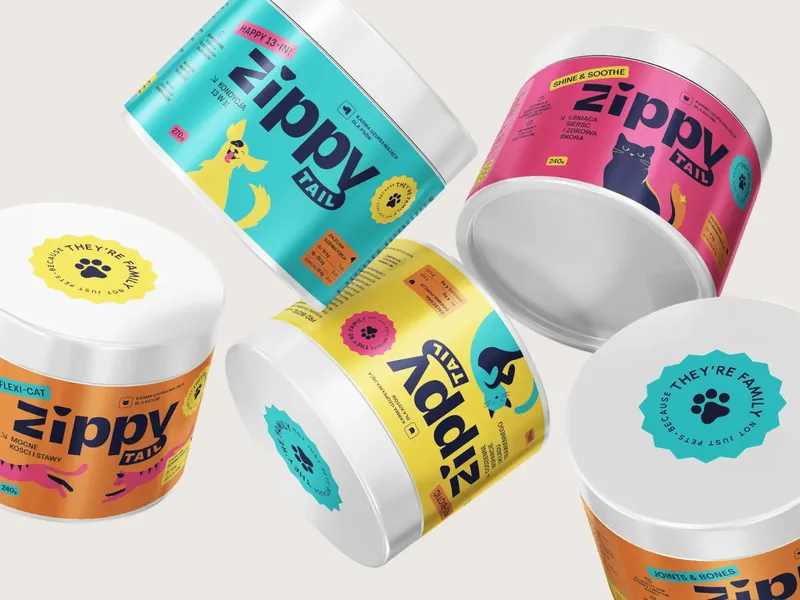 Human-grade quality
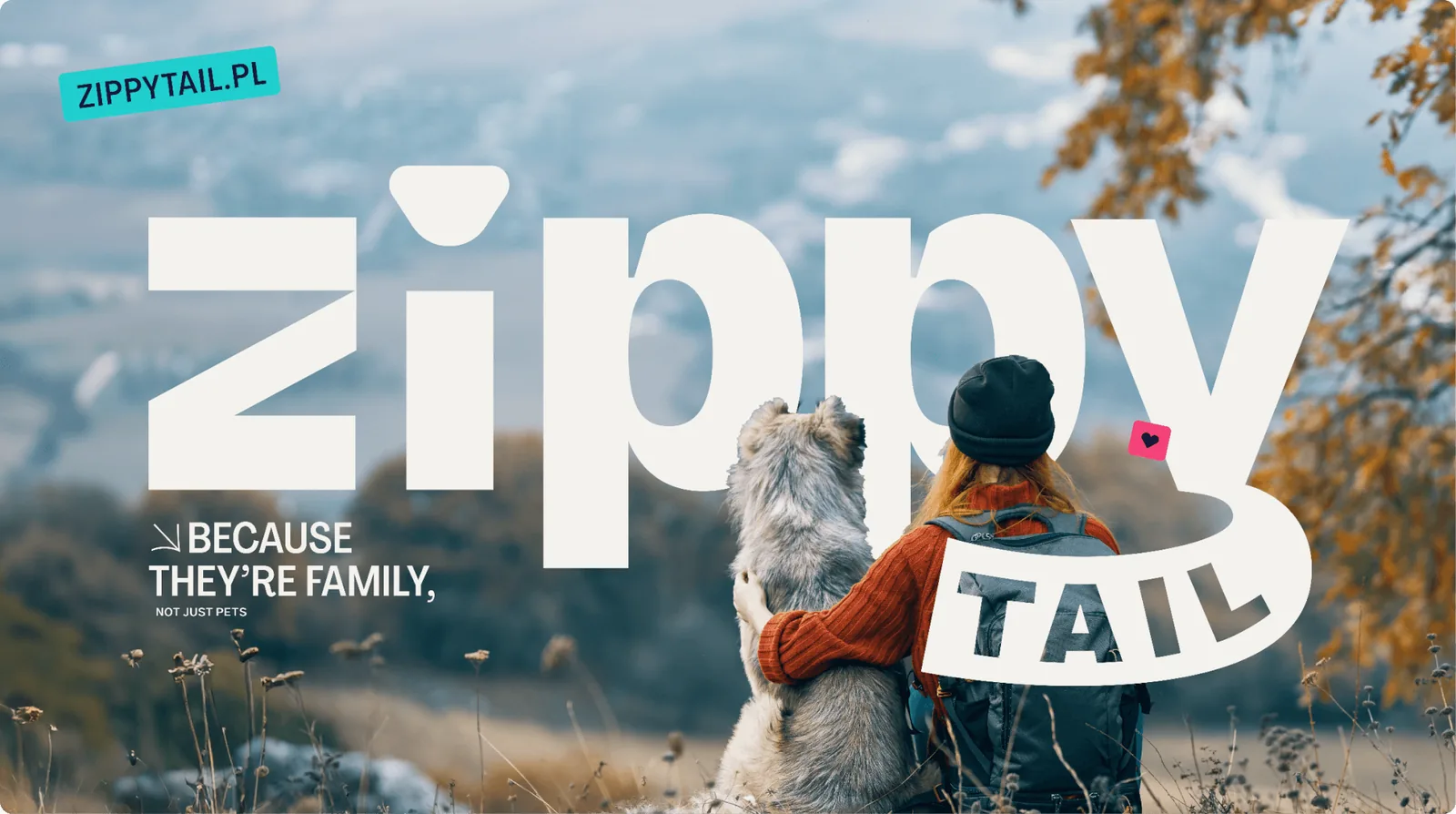
Zippy Tail, pet supplements
-
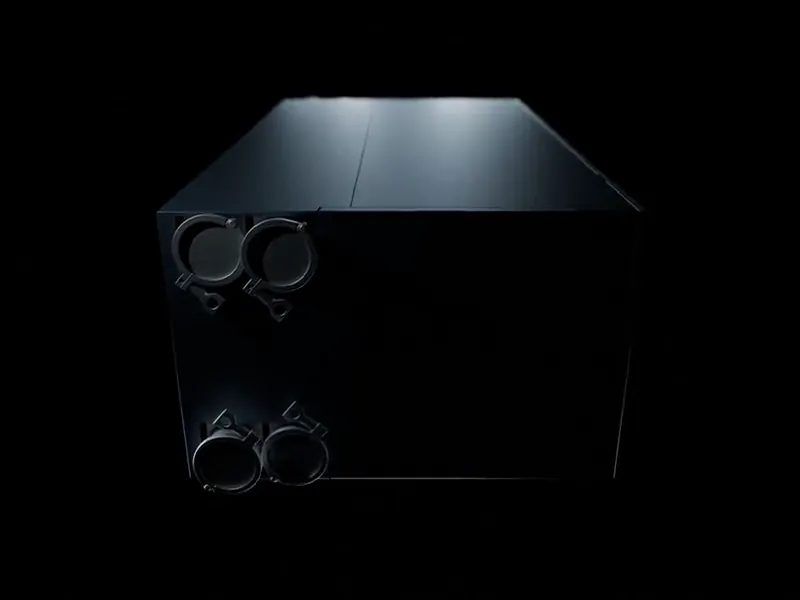 Stability, technology, quality
DCX, data centre cooling
-
 Craft at scale
Mily Group, deer antler
-
 Science anyone can understand
PolTREG, biotechnology
-
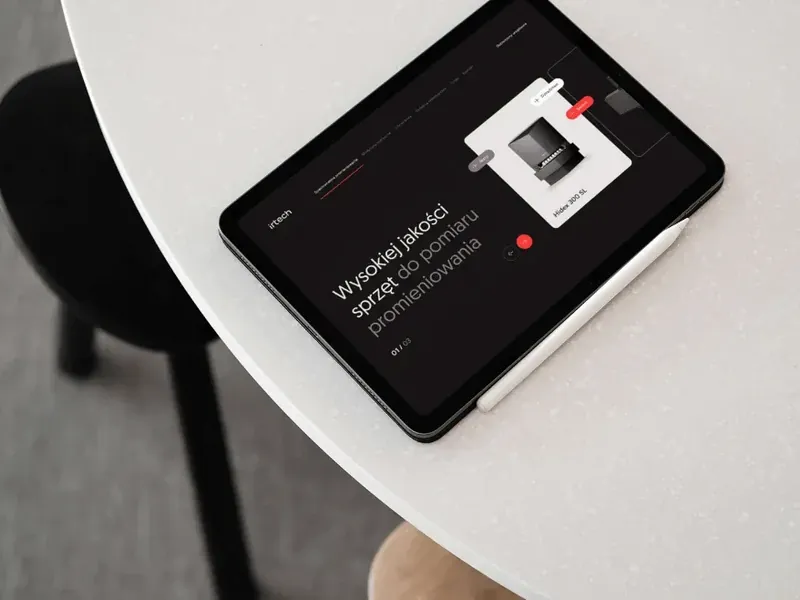 An expert who doesn't show off
irtech, measuring equipment
-
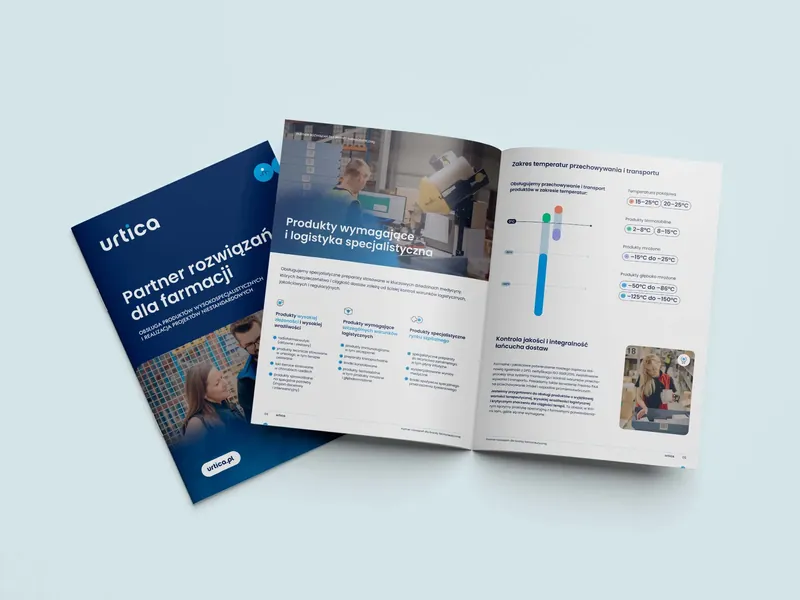 Partner, expert, distributor
Urtica, pharmaceutical distribution
-
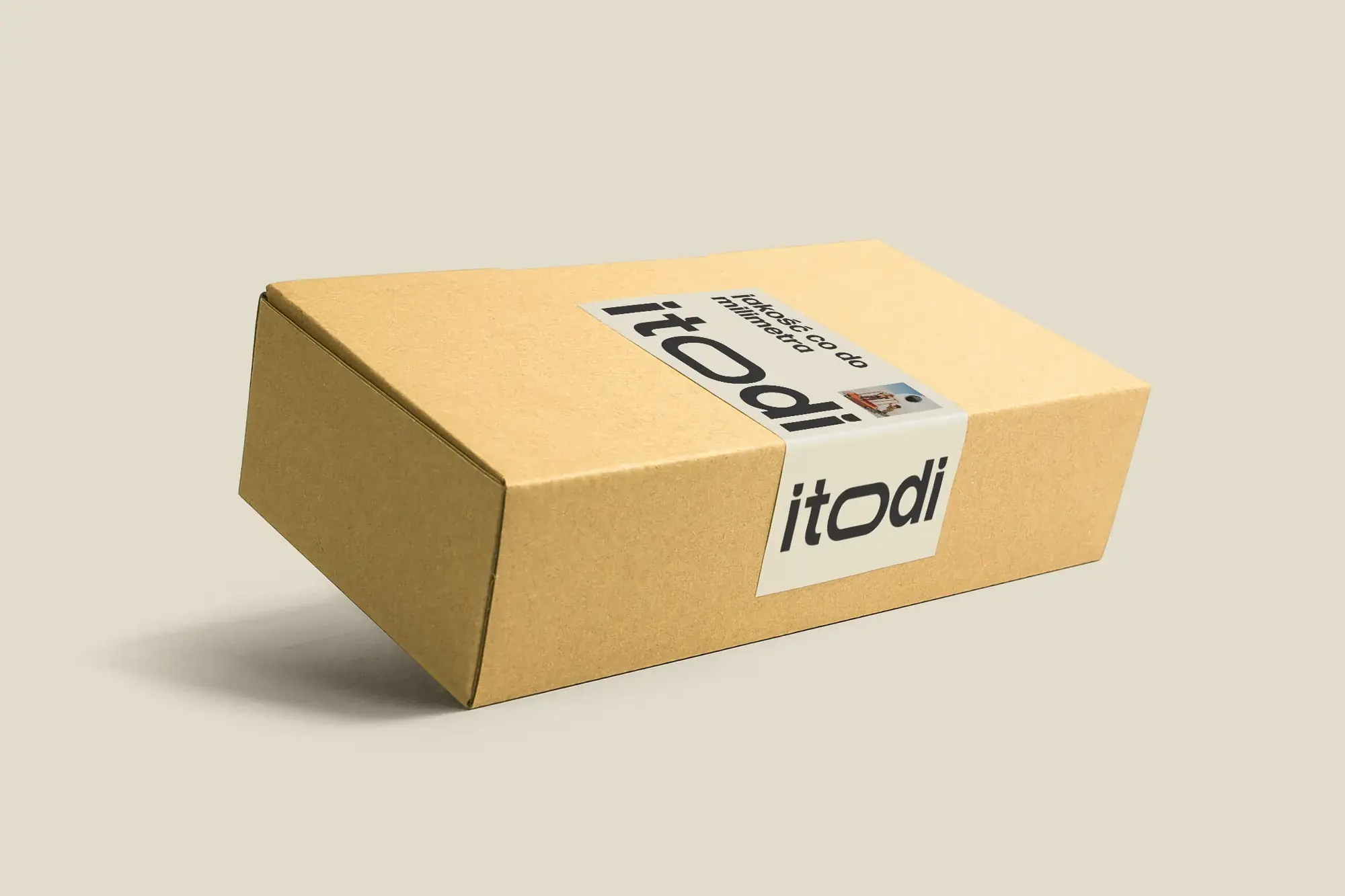
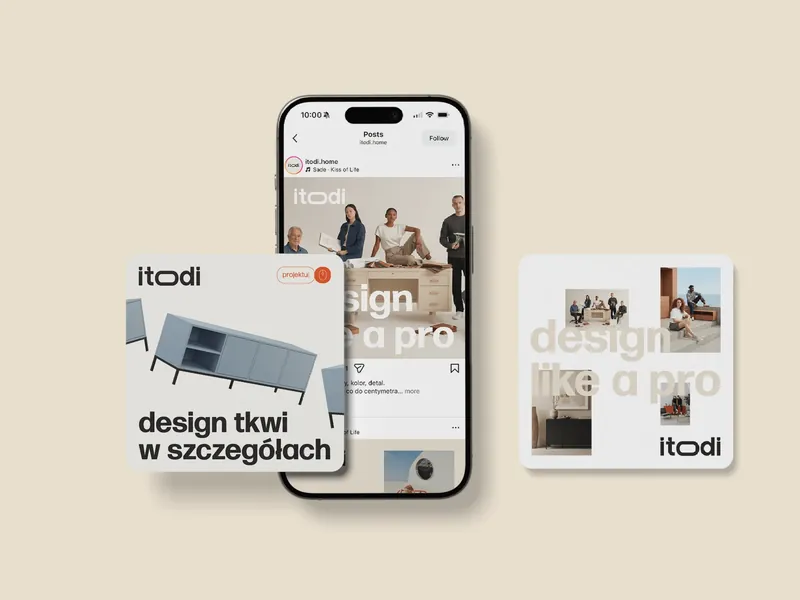 Quality down to the millimetre
itodi, made-to-measure furniture
-
 An empathetic teacher for project owners
Itrons, building services
-
 Store and online shop in one style
Design Optyk, optician stores
-
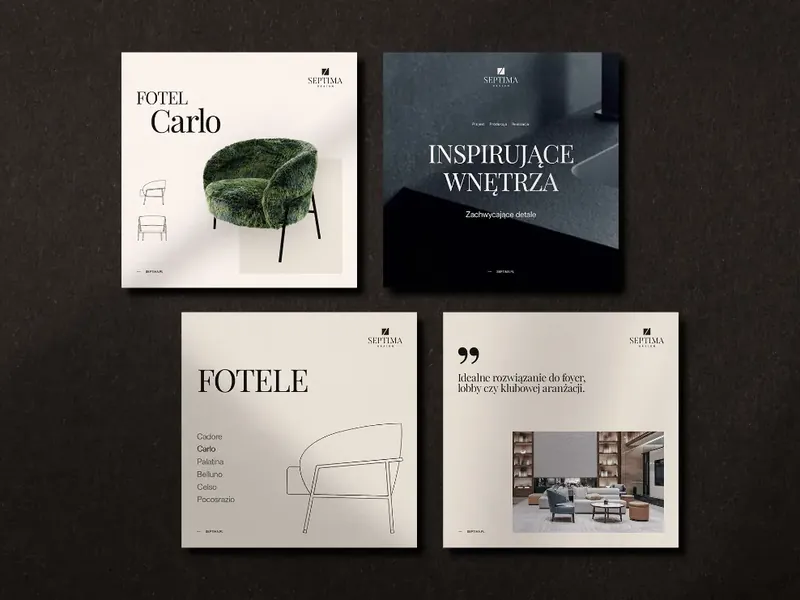 Serifs, against industry habit
Septima, interior design studio
04From strategy to design
Decisions you can see
A brand's customers don't read its strategy, but they see its effects every day: the colour, the photos, the page layout and the tone of the text. Here are a few decisions made on paper before the first design existed.
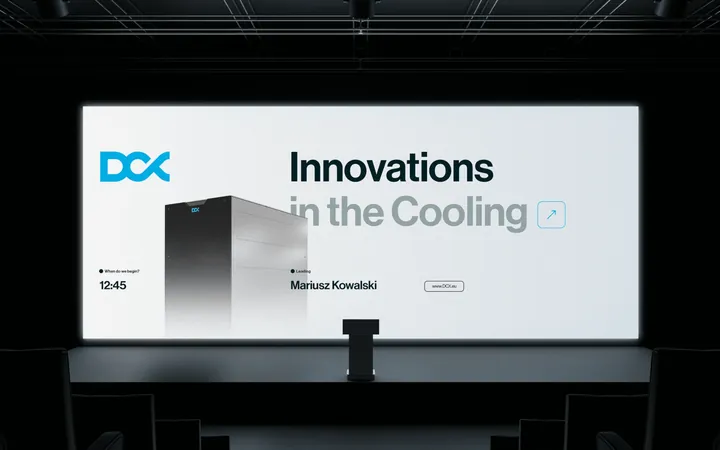
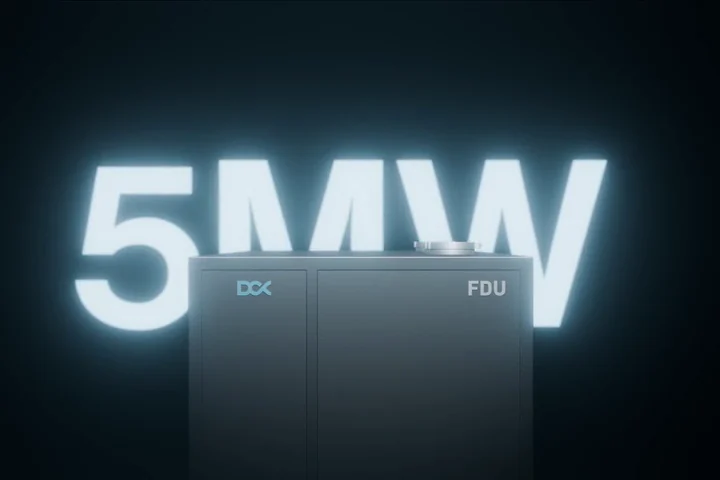
- DCX Cool calculation. DCX's message fitted into three words. That set the direction: we show the cooling cabinets like new electronics, in close-ups and good light.
- Porta Drzwi Supporting roles. The mission from the workshops: “Our products are the quiet heroes of your everyday life”. In the catalogue and the video, the doors play a supporting role.
-
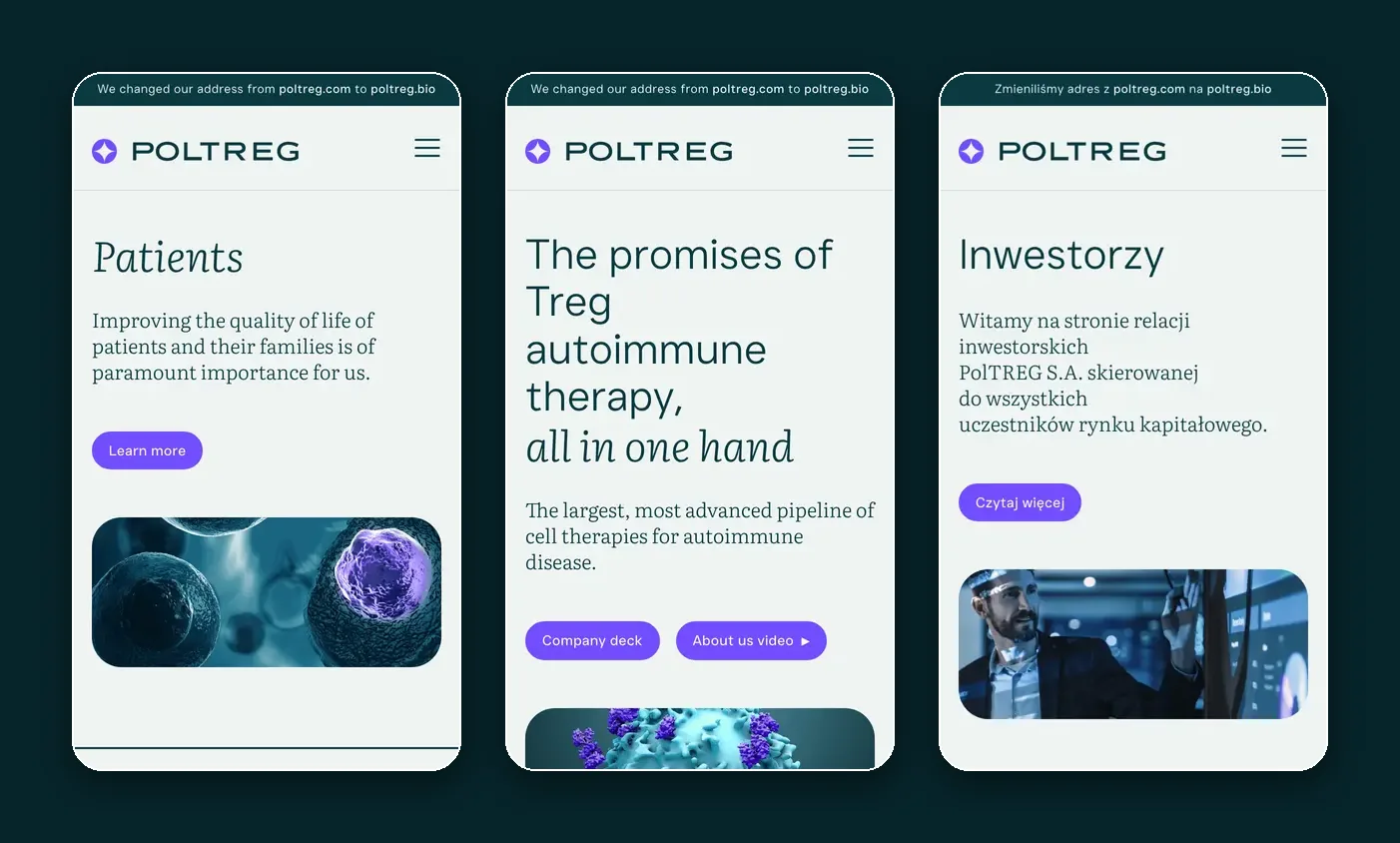 PolTREG
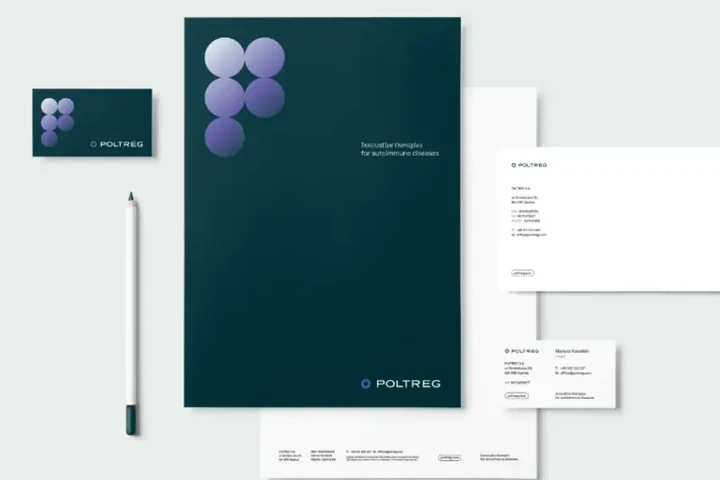
One tone, three readers. PolTREG speaks to parents of sick children, investors and pharmaceutical companies, so each of them has their own place on the website.
- Mily Group Warmth on an industrial scale. Competitors were either cool and large, or warm and small. Mily Group took the empty corner of the map, with the big idea of “craft at scale”.
-
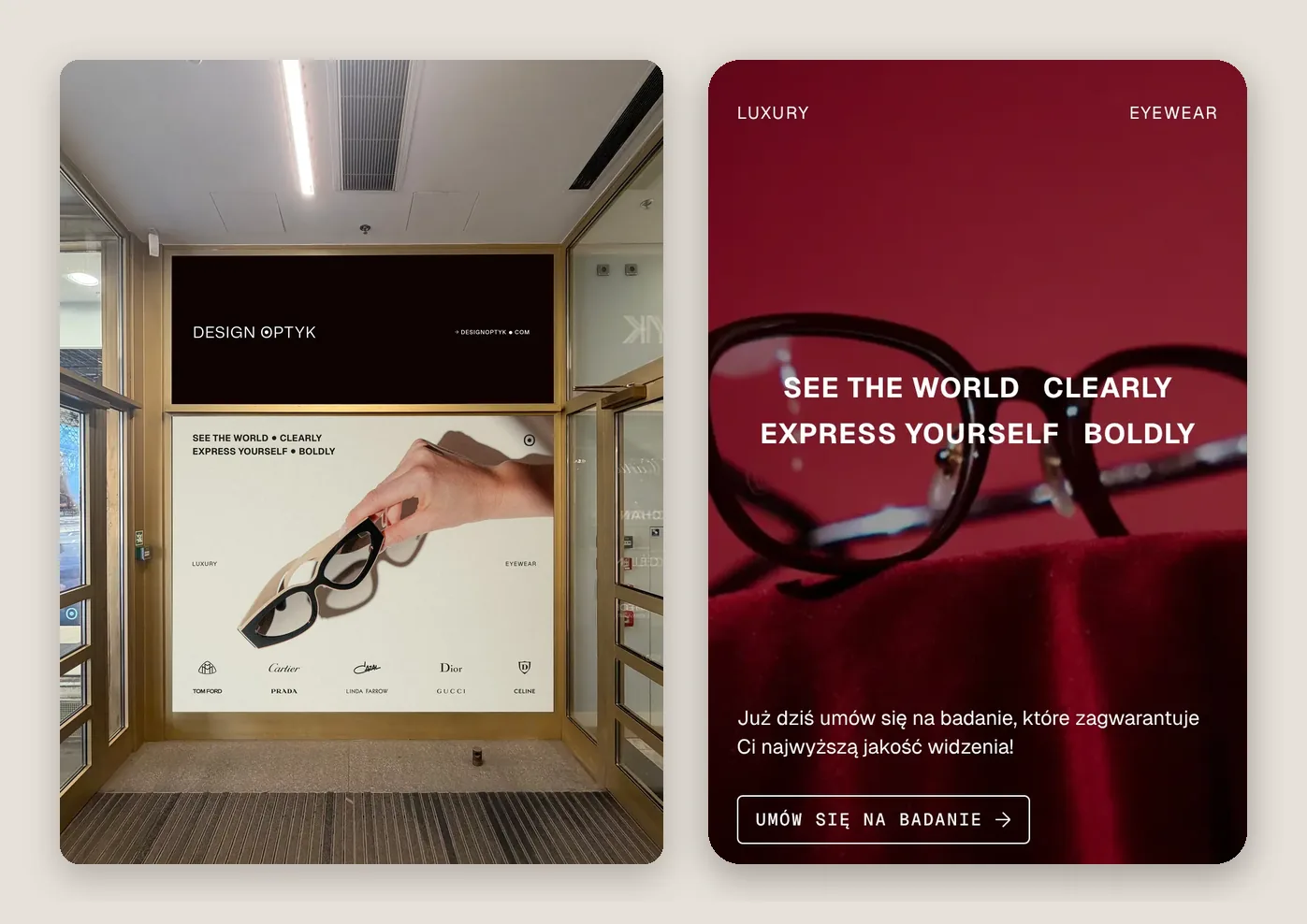 Design Optyk
A shared vision for store and shop. The logo is written one way only, and the claim “See the world clearly, express yourself boldly” greets customers both in the store and in the online shop.
05What you get
In black and white
Your team gets a strategy written down so everyone can use it, from positioning to the words the brand uses. Then we help carry it into colours, photos and copy.
-
Brand positioning
We establish where your brand stands in the market, what sets it apart and what it promises each group of customers. It also shows which spaces competitors have left open.
-
Communication and market analysis
We review your communication across all channels and compare it with your competitors. Afterwards your team knows what's worth strengthening and what to change.
-
Big idea and message system
We look for one idea that guides all communication, and break it down into messages for different audiences, each with arguments and proof.
-
Brand language guide
Words the brand uses and avoids, ready-made descriptions of the company and its products, and the tone of voice with examples. Everyone who writes on behalf of the company then sounds like it.
-
Rollout package
Along with the strategy, you get tools for putting it into practice, training for your team and our support on the first projects.