












Brandbook and logo guidelines.
Your brand in black and white. And in all its colours.
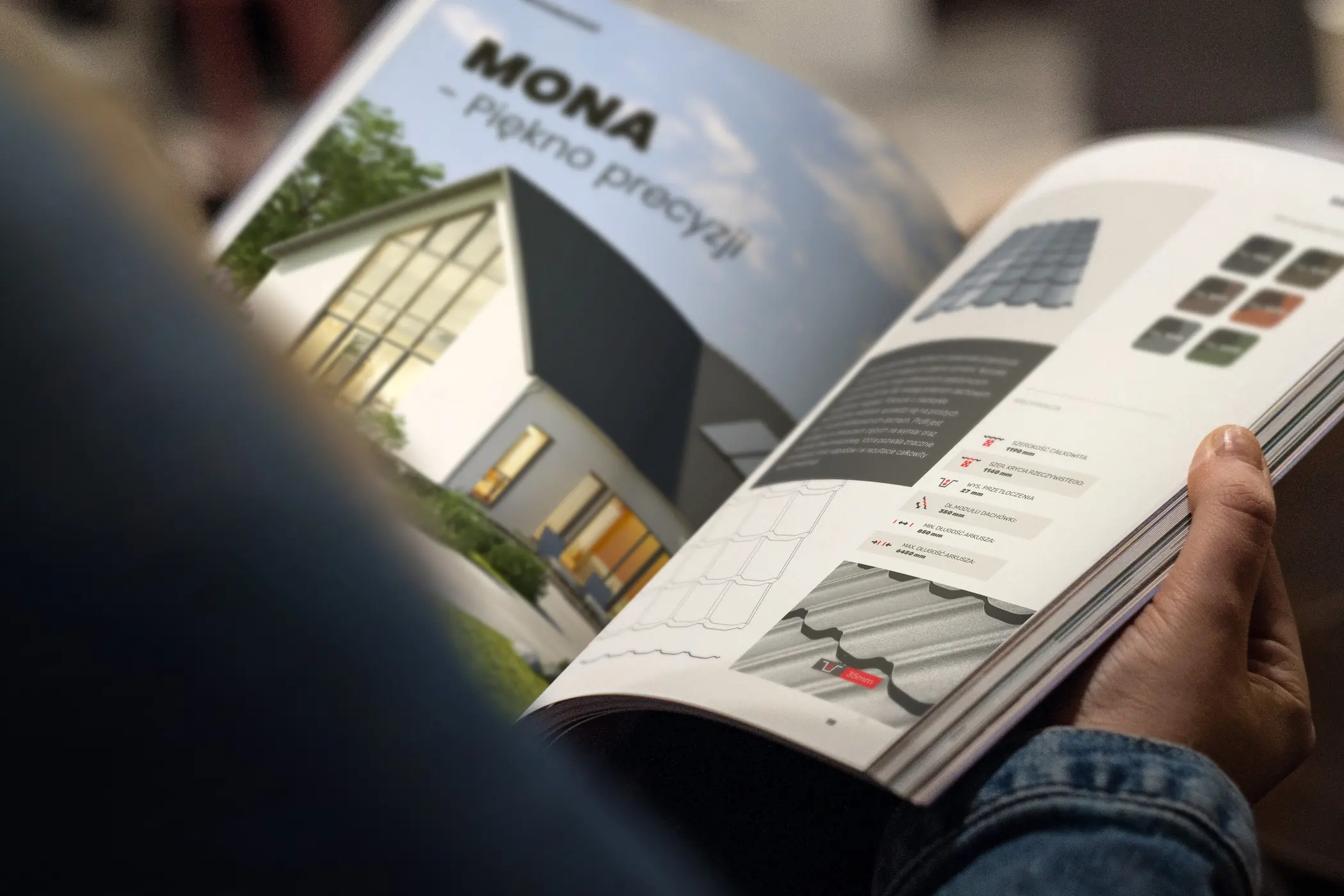
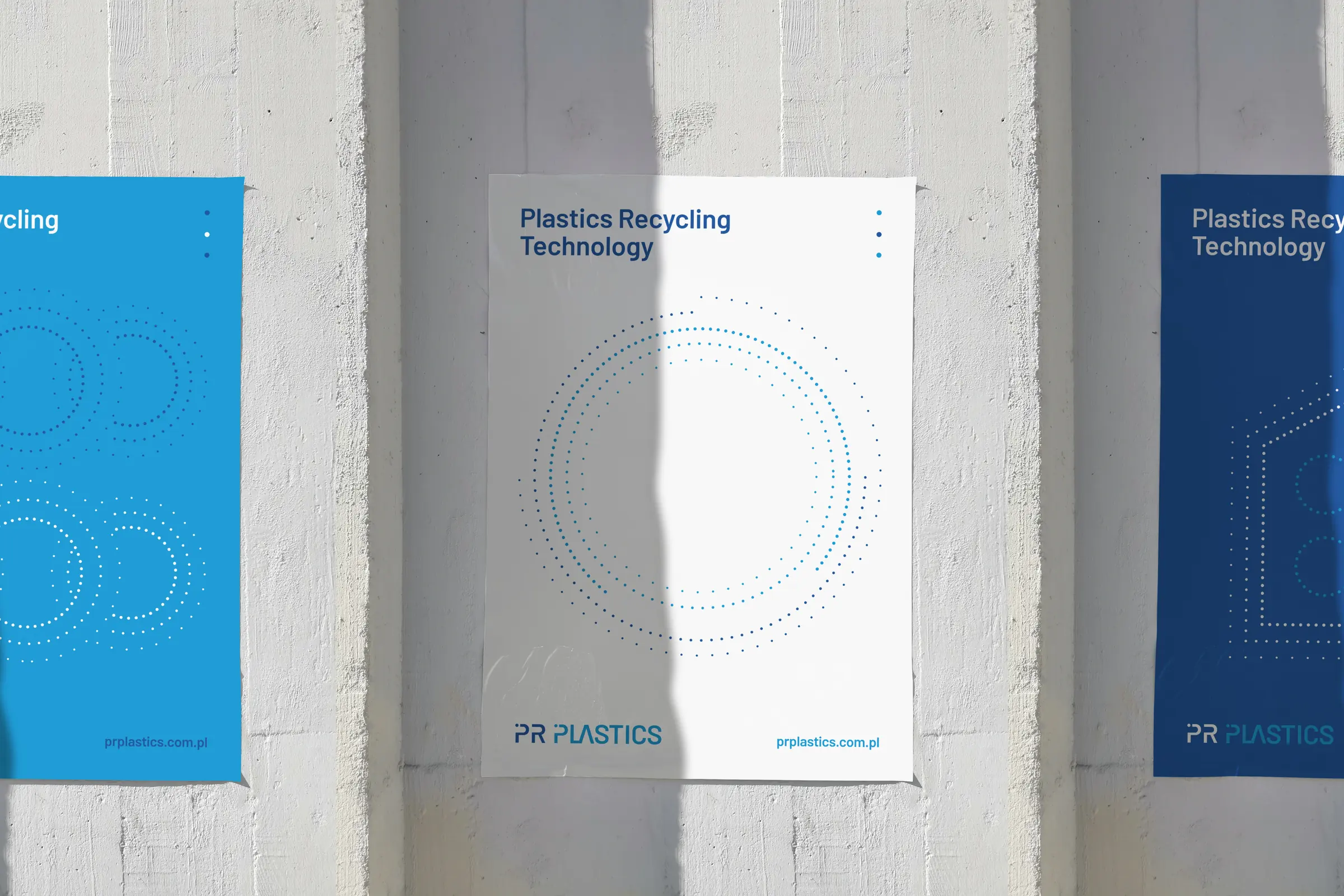
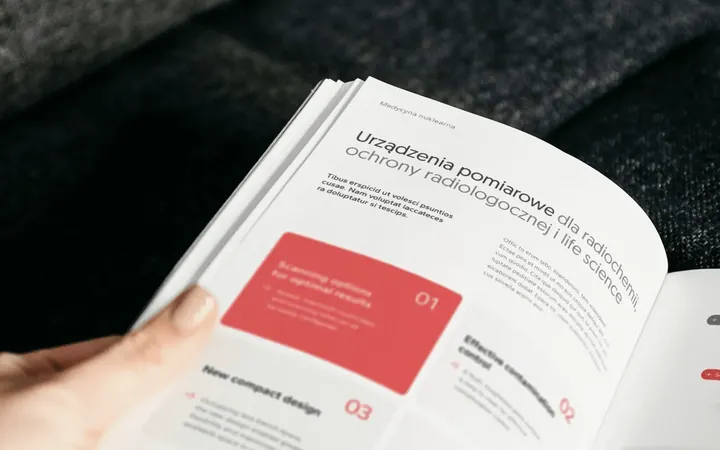
A brandbook is the brand's user manual. With it, a designer, a printer or a new agency knows how to use the logo, colours and photos, even if they've never spoken to us. It starts with the logo and the key visual, and ends with the templates your team works with.
01Approach
How we prepare a great brandbook
A brandbook is a guide to the brand for everyone who works with it: your team, printers and agencies. We agree the table of contents with you at the start, so you know from day one what will be inside.
-
For the people who use it
We start by asking who will reach for the brandbook and why, for example a sales rep, a designer, a printer or a signage contractor. The content is organised around them.
-
Clear structure
Every rule has its place and an example. Nobody has to read the whole thing to find what they're looking for.
-
Shown by example
We show correct and incorrect use of the logo, colours and photos on real materials. Rules like that are easier to remember.
-
From logo to photos
We cover the logo, colours, typography, icons, photo style and layouts, and the tone of voice when needed.
-
Files and templates
The brandbook comes with an organised set of files, editable, preview and print-ready, plus templates your team can use to put together new materials on its own.
-
Grows with the company
We structure it so that new companies, products and materials can be added without changing the rules already in place.
-
Rollout in your team
Once the brandbook is handed over, we can train your team and prepare short guides, for example for signage contractors.
02What we prepare
What kind of brandbook do you need?
From short logo guidelines to a full brandbook with templates and team training.
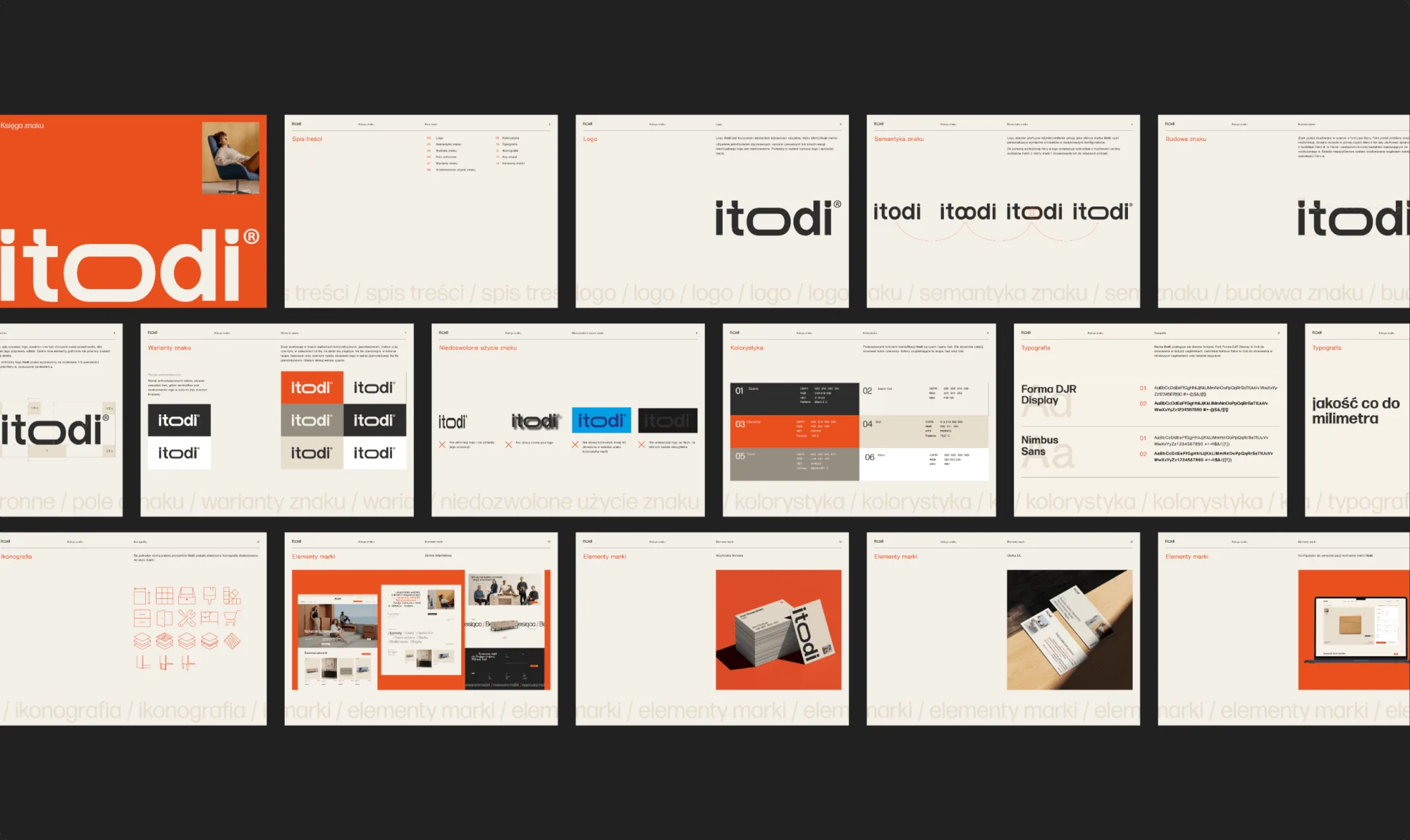
Logo guidelines Logo rules: versions, clear space, minimum sizes and backgrounds
What we do
We describe how to use the logo: versions, clear space, minimum sizes, backgrounds, colours and typeface. It's the minimum every printer and agency should receive.
What you get
- Logo usage rules
- Colours with print and screen codes
- Brand typography
- Logo files in all versions
Similar projects
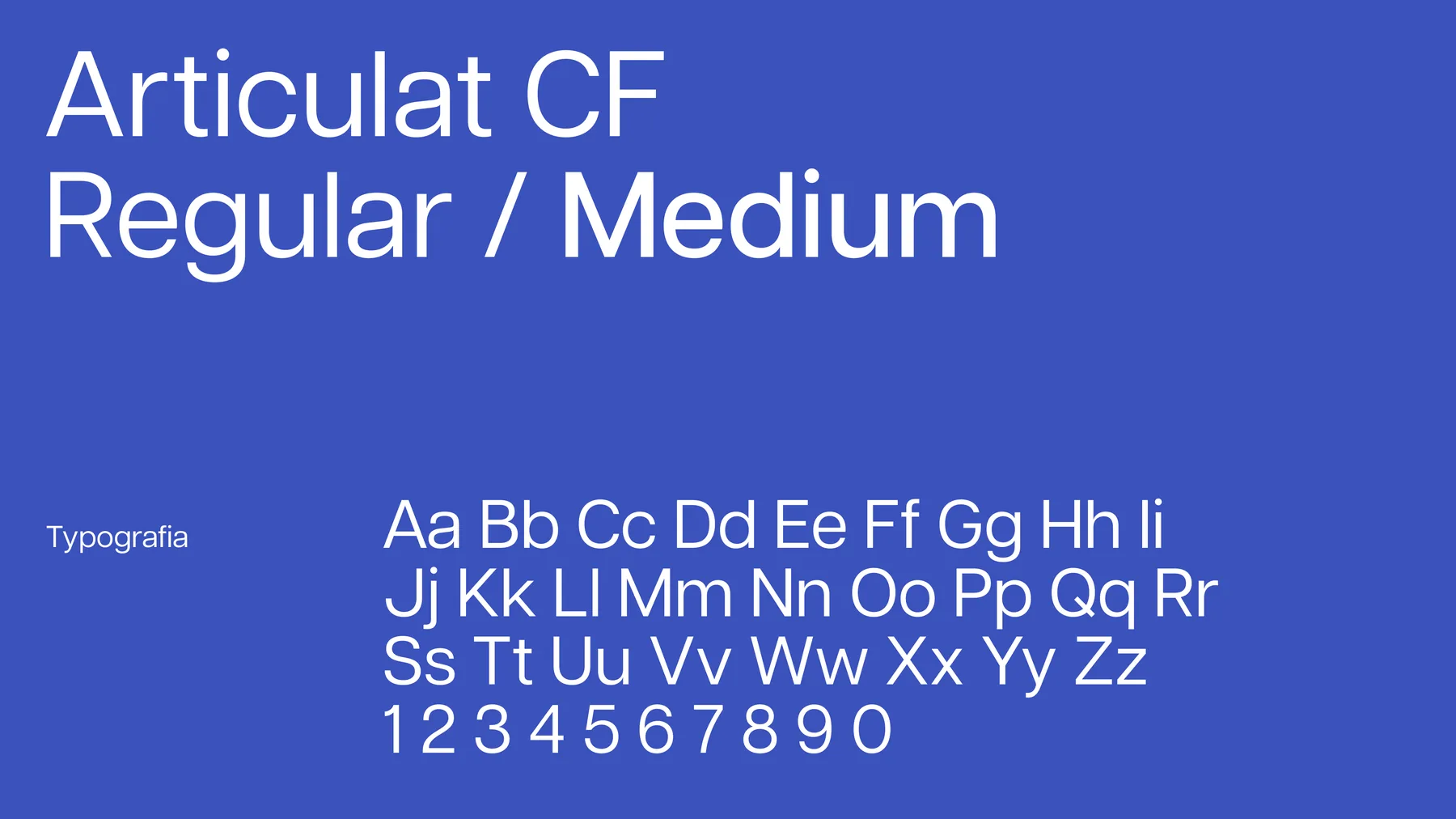
Full brandbook Logo, colours, typography, icons, photos, layouts and tone
What we do
We describe the whole brand system, from the logo to material layouts and photo style, with examples on real projects. With a brandbook like this, new materials never start from scratch.
What you get
- Logo and key visual rules
- Photo, icon and illustration style
- Layouts of the main materials
- Examples of correct and incorrect use
Similar projects
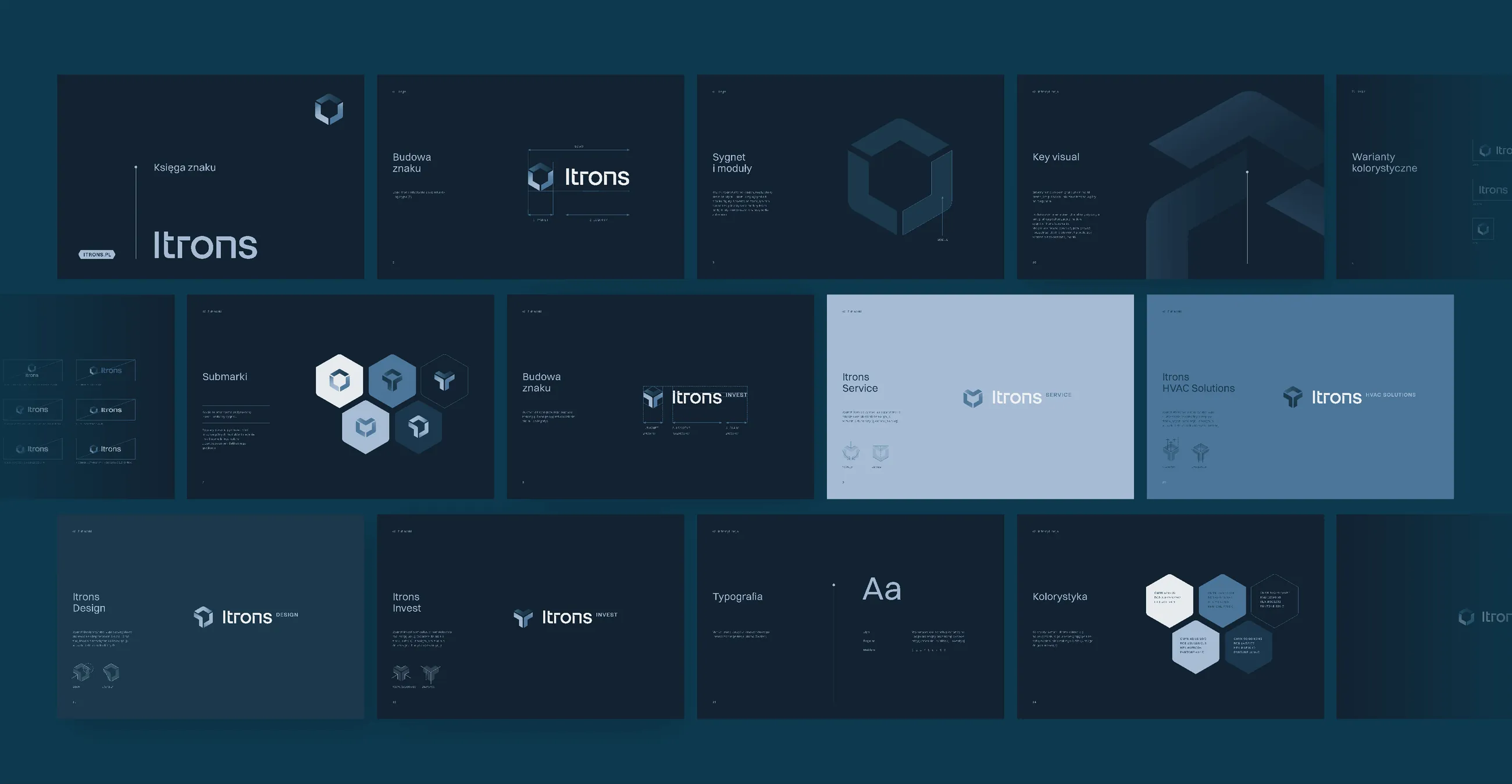
Brandbook for a group and sub-brands Shared rules and separate chapters for companies or sub-brands
What we do
For a group of companies or a brand with sub-brands, we describe the shared rules and what sets each brand apart. A new sub-brand gets its own chapter without the whole document being rewritten.
What you get
- Shared rules for the whole group
- Chapters for companies or sub-brands
- Rules for adding more brands
- Guides for contractors
Similar projects
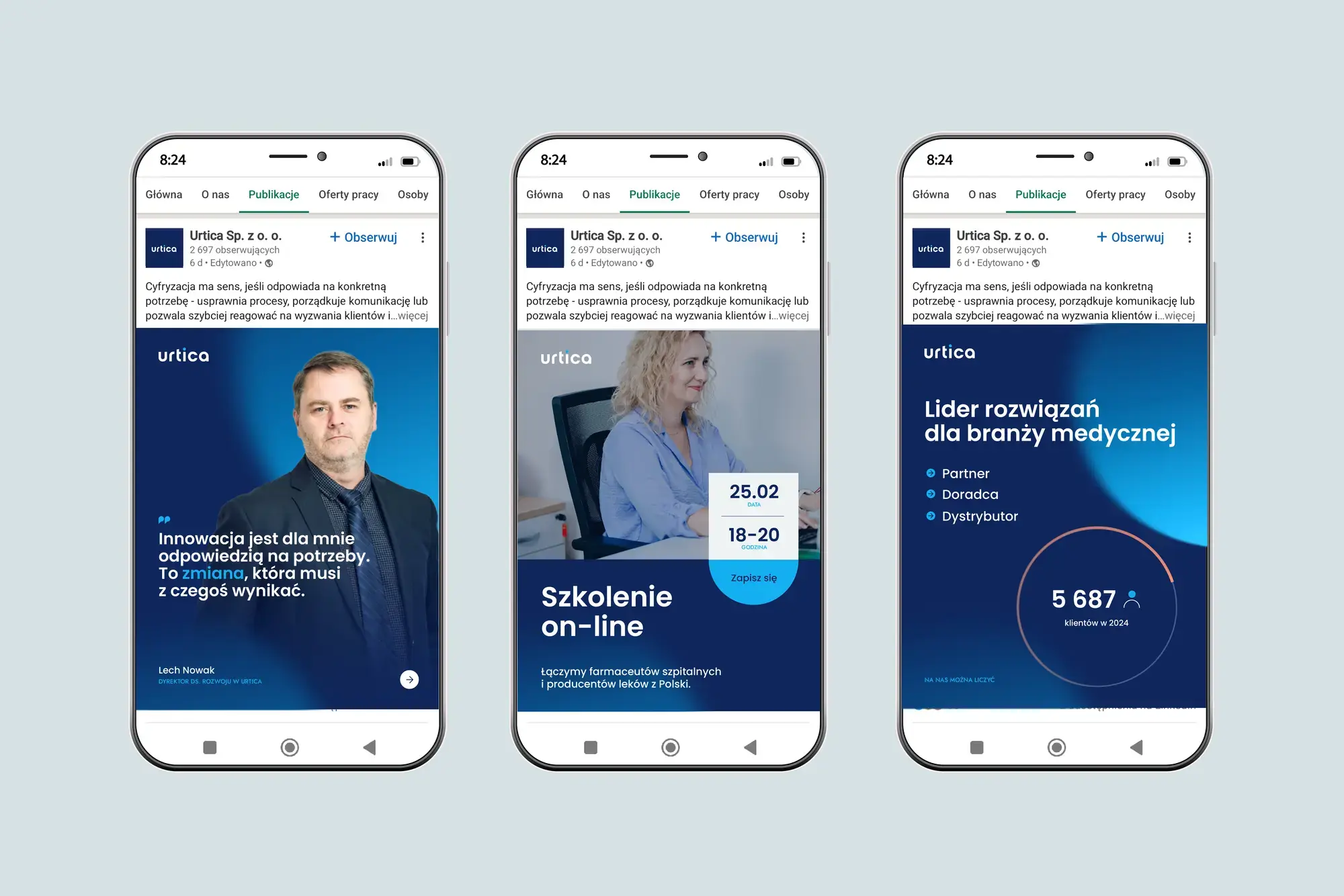
Templates and files Templates in Figma, Canva, Google Slides, PowerPoint or Word
What we do
We prepare templates in which your team swaps the text and photo while the material still looks like the brand. Files are organised in a numbered package: editable, preview and print-ready.
What you get
- Templates for posts, presentations and documents
- Numbered file package
- Editable, preview and print-ready files
Similar projects
Rollout in the company Announcing the change, team training and guides
What we do
We help hand the brand over to the people who will use it. We train your team, prepare guides and, before launch, make the videos the company uses to announce the change.
What you get
- Team training on the new brand
- Guides for the team and contractors
- Videos and posts announcing the change
Similar projects
03What's inside
Chapter by chapter
A brandbook reads like a good manual: from the construction of the mark and its clear space, through colour versions, colours and typography, to icons, sub-brands and the rules of the whole system. The order matters, because each chapter builds on the ones before it.
The film is made of chapters like these, taken from seven identities we designed: from antler dog chews, through measuring equipment, to biotechnology.
04From our guidelines
Guidelines that don't gather dust on a shelf
A good brandbook settles disputes before they start: which colour, which background and which typeface to use when the brand font isn't to hand. Here are a few rules from guidelines we designed, and what came of them in practice.
-
 Porta Drzwi
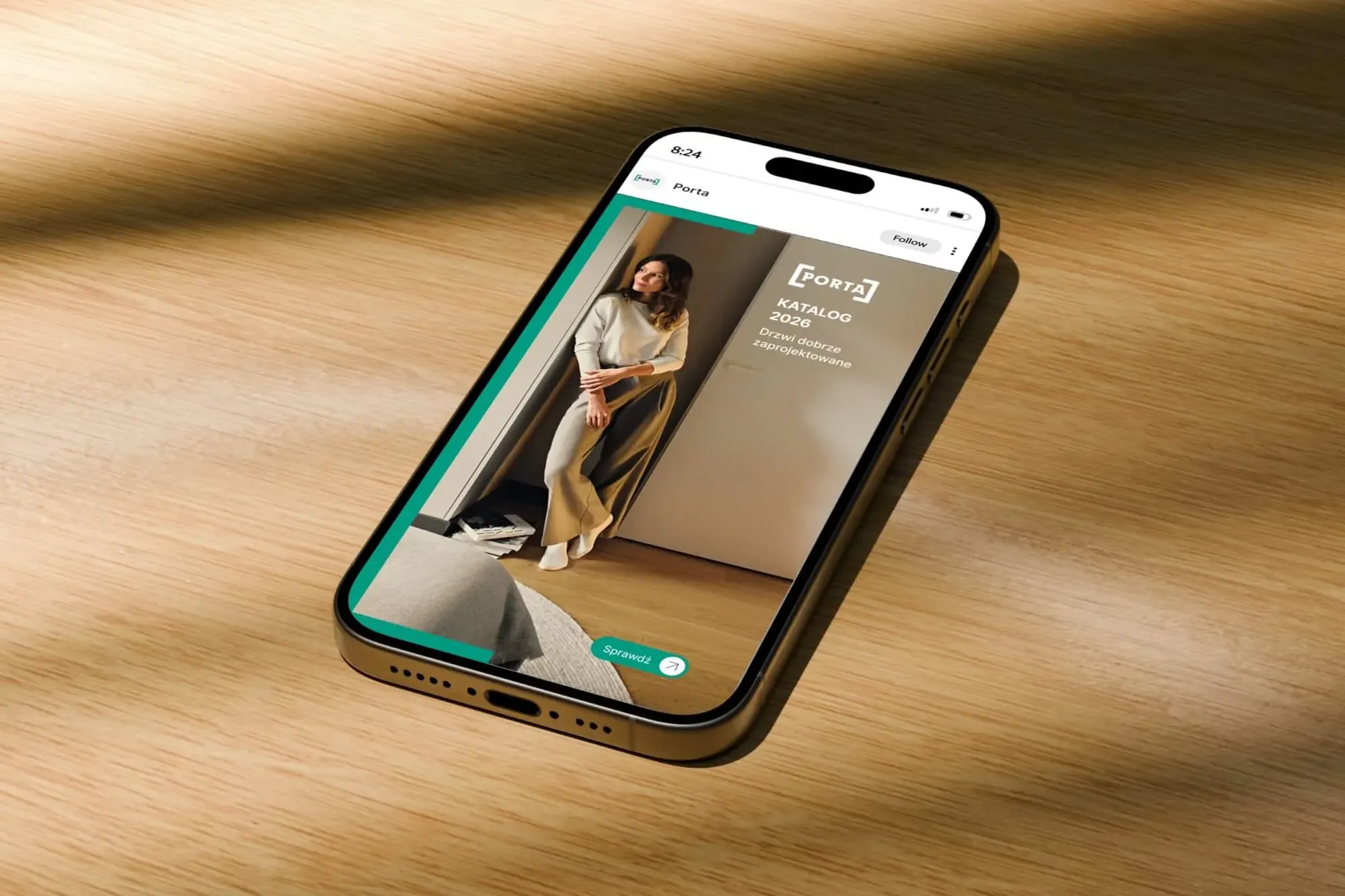
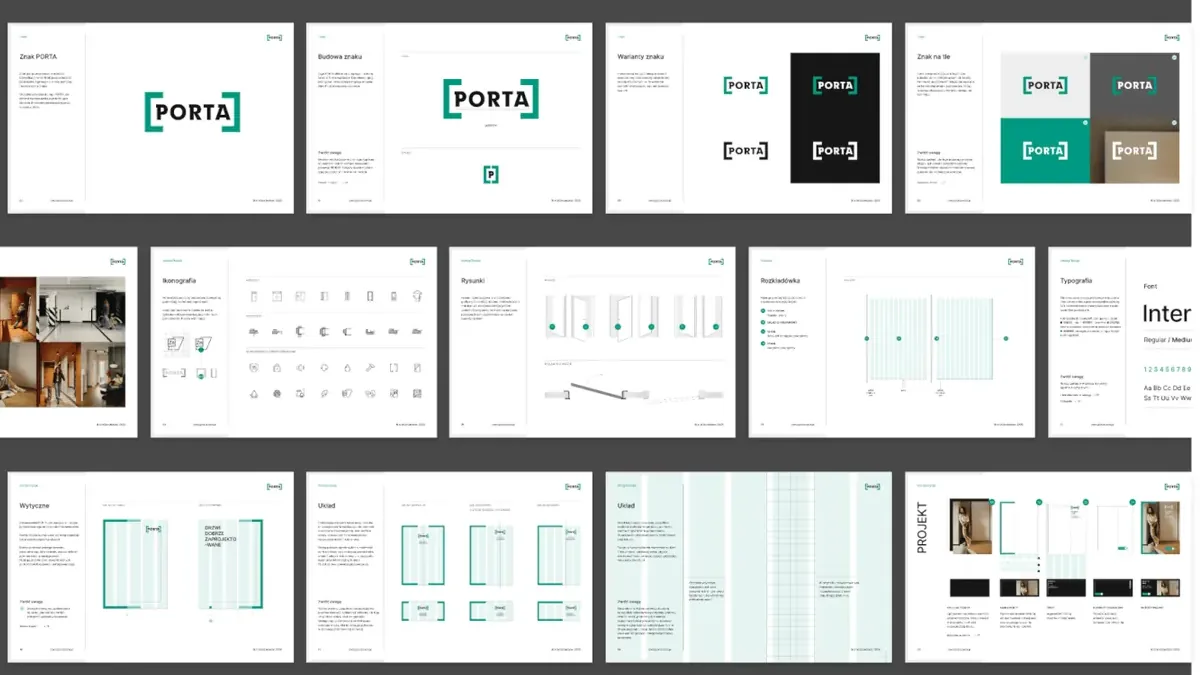
Brackets that keep the brand in line. The green brackets from the logo became a frame for photos, icons and covers. The brandbook describes it together with typography, colours and the grid.
-
 DCX
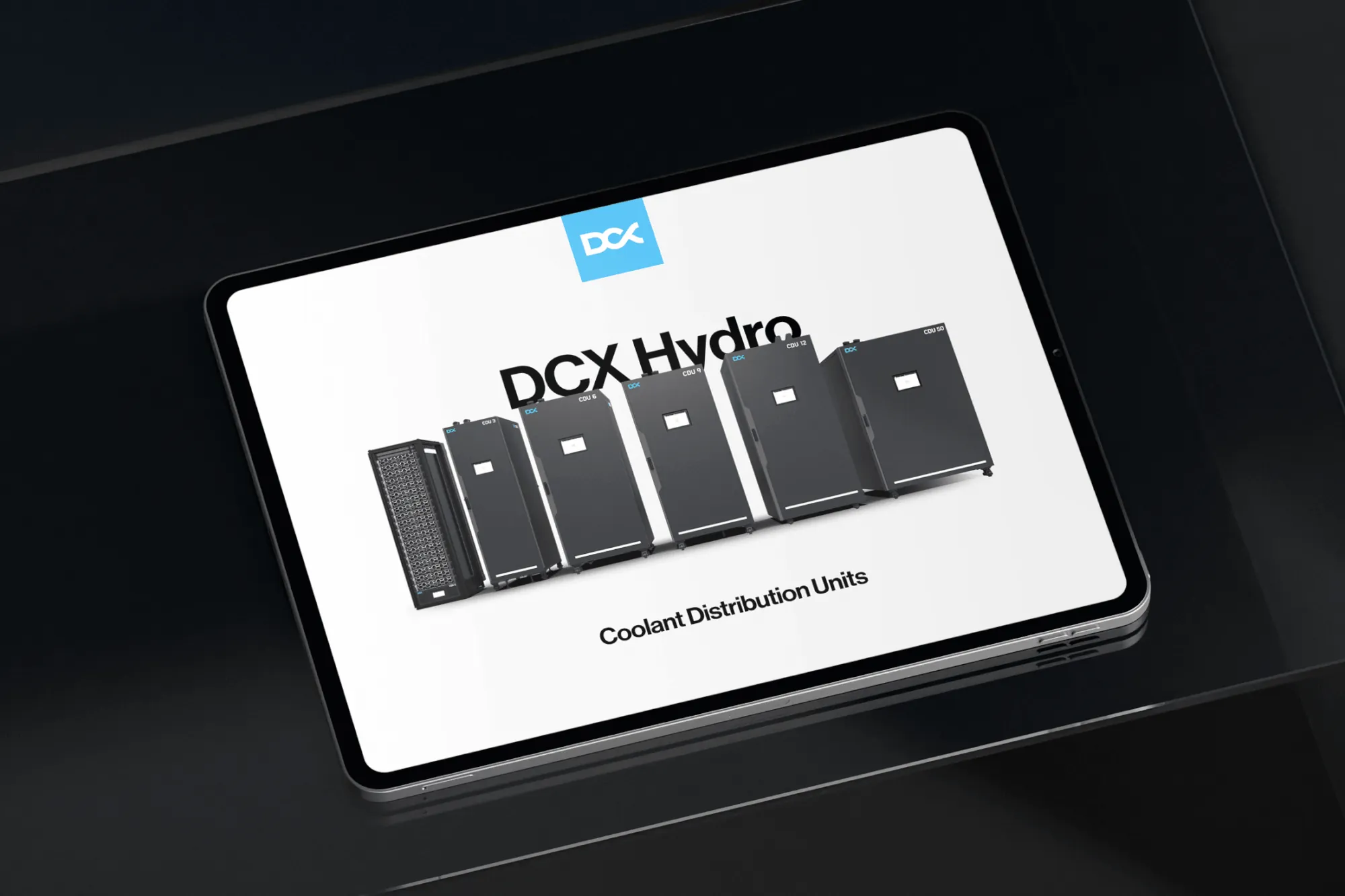
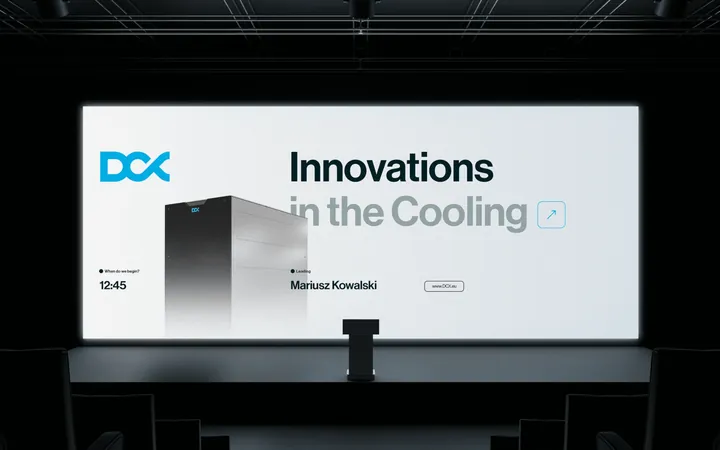
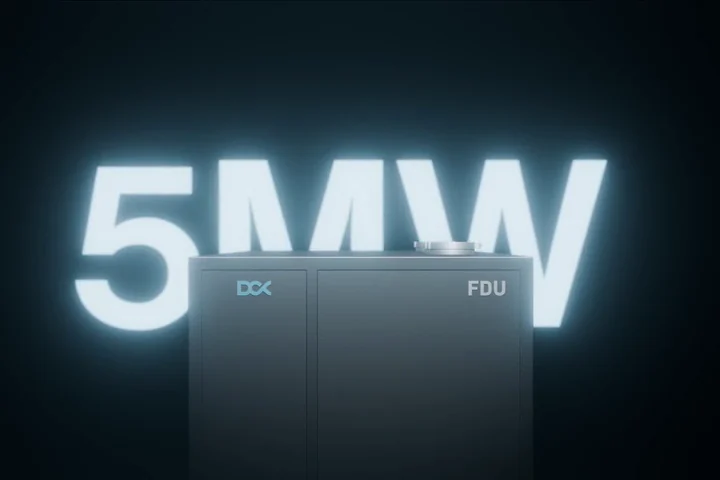
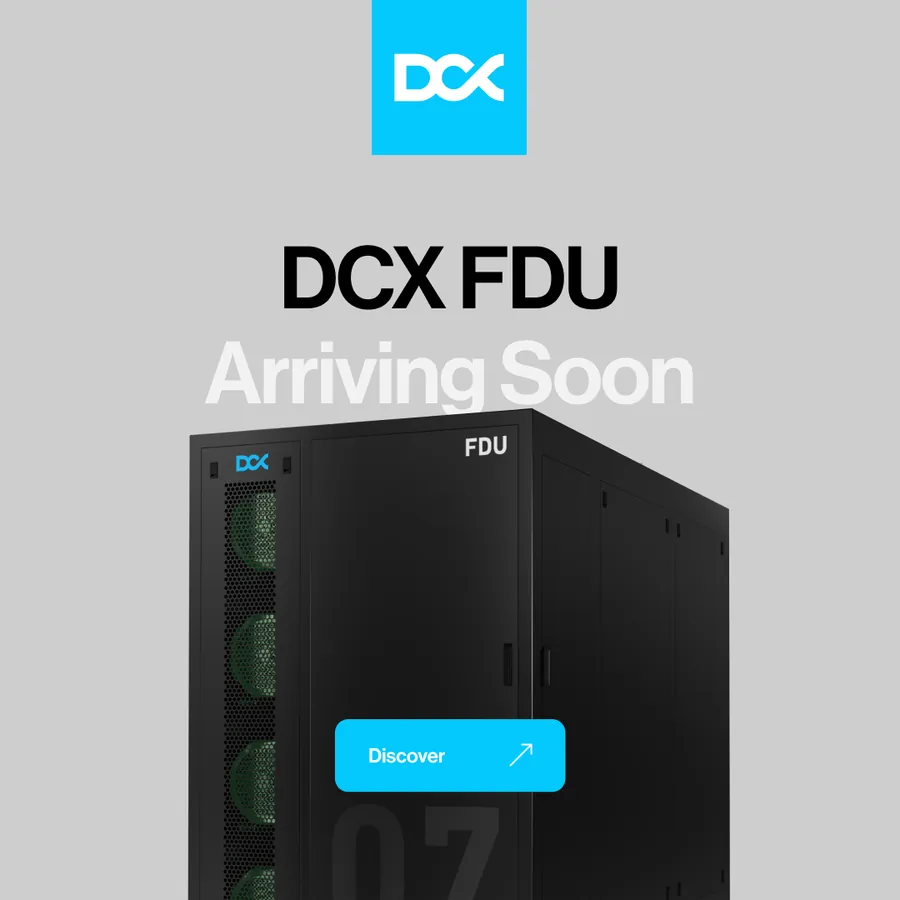
Colour that identifies. The DCX brandbook puts it plainly: blue appears only in the logo and on the button, and everything else is black, white or grey.
-
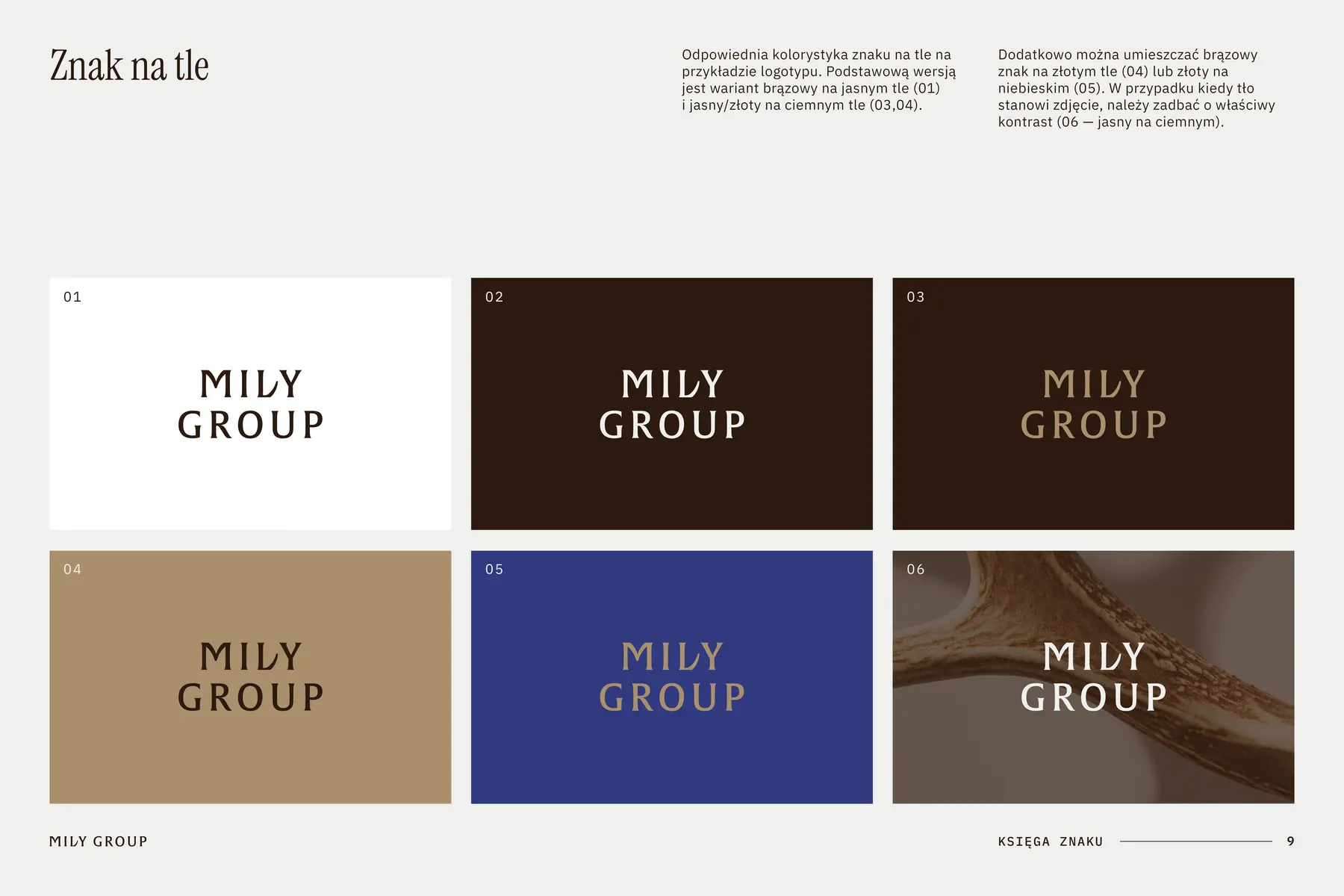 Mily Group
Colour that stands out. Gold is the colour of detail, in print an embossing or a foil. Blue is the colour of large scale and the brand's background at trade fairs.
-
 irtech
Many manufacturers, one photography style. Equipment from different manufacturers stands on one flat background, in the same light, and the team edits new photos itself following the guide.
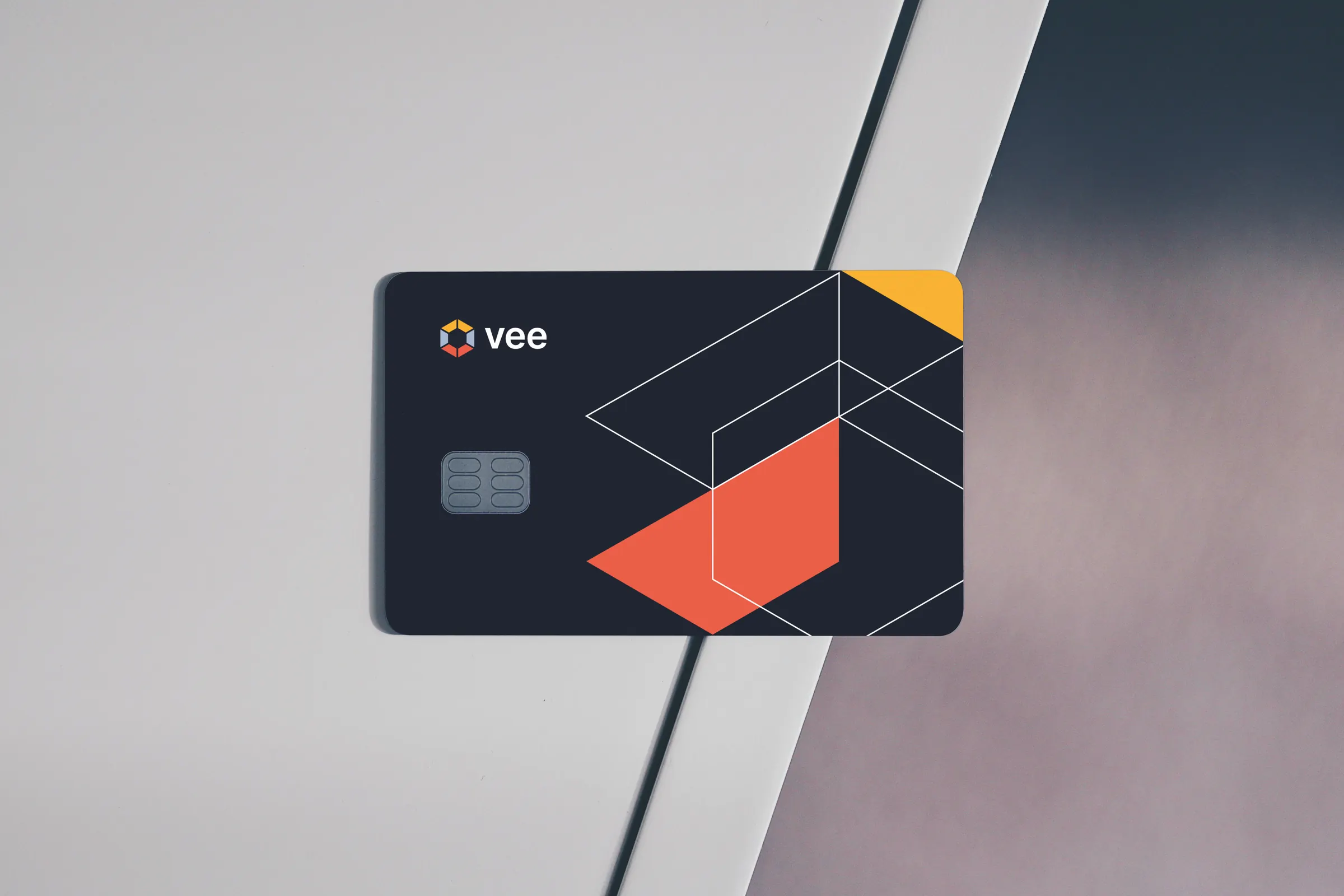
- Vee One hexagon, three sub-brands, 30 materials. The sub-brands are different cuts of the hexagon from the logo, each in the colour of its customer segment.